Sunday, January 26, 2014

Processing My REAL Birth Story

I haven't visited this blog for a long time and the reason may seem silly. While I could say that simply having a newborn made my life far too busy to blog the reality was that seeing the pictures in my last post upset me. I felt upset that instead of having the fabulous homebirth success story I had imagined, I had a horror story that included the words "I nearly died." When I wrote that post at 36 weeks my very worst fear for the birth was that I would go overdue, or that I would go into labor when my husband was at a difficult point in his graduate course. I wasn't afraid of having a homebirth. I was confident in my midwife and my choice in birth attendant. I felt very in control.

At 37 weeks we received a very disturbing letter from my health insurance company stating that despite the fact that they had paid for homebirth's attended by my midwife in the past, they were no longer covering them and in addition, if there was something to go wrong in the birth that would require a transfer to a hospital, they wouldn't cover that either. Could we really take that risk? This question required some soul searching and serious conversations with my midwife. According to her own record, the majority of women who transferred to a hospital during a birth that she supervised were first time mothers who did so for pain relief. I had already had given birth without an epidural so I felt pretty sure I could handle it. We felt peace about our choice.

On Friday July 5th, the day before my due date, I started to feel really grouchy, uncomfortable, nauseous and crampy. It felt like I was about to go into labor so I started to down red raspberry leaf tea in hopes to kick things into gear. Friday went by, then Saturday, then Sunday...UGH. But then, in the wee hours of Monday morning I woke up in labor. Hurray! I stayed up for about a half an hour but then decided to just go back to bed and get rest while I could. At 5:30 AM (for some reason I looked at the clock just as I was waking) I startled awake to a POP! My water broke! I shouted the news at Andrew as I rushed/waddled to the bathroom. Andrew started giddily chatting away, asking if we should call the midwife and then he heard me from the bathroom say, in a tone of voice he said he hopes he never hears again, "Oh my God."

I don't think I have ever used the Lord's name in vain in my whole life but in that moment there were no other words. Instead of seeing amniotic fluid pooling around my ankles (or cankles as they were at that point) I saw blood; lots of it and it just kept on coming. I knew something was very wrong but all I could do was peel off my wet clothing and sit on the toilet in shock. As Andrew told the midwife what was happening, she asked Andrew if there was more blood than half a cup and if I had felt the baby move. The answer to the first was "yes" and the second "not sure." She said she would meet us at the hospital and that she would call them first to let them know we were on our way.

I put on an adult diaper and a pair of capri's and somehow had the idea to grab my kindle fire and charger (just in case!) and with a couple of towels for me to sit on, we rushed to L&D. Luckily on the way there the baby gave me a sharp kick and I knew there was life still there. Arriving in record time at about 5:50, my contractions were about four minutes apart but with each one I could feel more blood gush out. Upon entering the Labor and Delivery bonehead at the front desk of actually tried to make me sign in despite my fairly obvious distress! I said forget it and rushed to triage. While in triage they made me wait, AGAIN, so that they could verify my insurance information. Finally I was assigned to a triage room where the nurses joked about my "broken water waddle" but were quickly silenced when they saw that in less than 20 minutes I had completely soaked that adult diaper.

They hooked me up to a monitor and the baby's vitals looked great. My contractions were steady and at that point I still held out some hope that I might be able to have a vaginal birth. Obviously, I didn't realize that I was slowly bleeding to death. My midwife arrived shortly after and then the attending OB AND the residents AND more nurses. There were a lot of people in that little room trying to assess the situation. Then the on call OB arrived and she checked my dilation (only 2 cm) and pronounced that not only had my water not broken (the pop was probably from the pressure of the pooling blood popping my mucous plug) a c-section was in order. We asked to speak with my midwife alone and in that short conversation one thing that she said really stood out: "Sometimes the decision is really clear." So the call was made.

In no time at all I was shaved, IV'd and hair netted. This is where the midwife's presence was invaluable. She reminded us we wanted skin-to-skin with the baby directly after birth not to bathe the baby or wrap her in blankets; told the surgery team that and instructed Andrew to take off his shirt before he suited up into his sterile gear; all things to help ensure that breastfeeding could get off to the best start possible. She got Andrew food because she knew that he probably wouldn't be able to get anything for several hours. Her presence gave me the courage to ask for things like a double suture on my incision, to give me a better chance at a successful future VBAC, and to leave the umbilical cord to pulsate. I so wanted her to be allowed to come with us to the operating room but to that request the surgeon very staunchly refused.

I was wheeled to the operating room and as we were about to enter they asked Andrew to wait outside until I was prepped for surgery. It was at that point that I broke down and started to sob. A nurse asked me why I was so upset and I couldn't give her a reason. I should've thought that it would be obvious. So with my naked butt on a cold, cold stainless steel operating table I was told to round my back as they inserted the spinal anesthesia. They kept shouting at me to make it rounder (my back not my butt). Andrew said this whole process took about fifteen minutes while he fretted outside.

Spinal in place, legs growing increasingly numb, I was laid down on the table in a pose that was disturbingly like Jesus on the cross with both arms outstretched. With sterile drapes Andrew was allowed back into the room and he held my left hand while the anesthesiologist was monitoring my vitals at my right. At this point it gets fuzzy. Lots of pulling and tugging and then PUSHING! I felt like my ribs were breaking and then at 7:14 AM people shouting "Big Baby! Big Baby!" and "She is holding onto to the umbilical cord and won't let go." As soon as I heard her gurgled cry I started sobbing again. Andrew immediately left my side to be with her. Her stomach had to be suctioned because there was so much bleeding into the amniotic fluid. Andrew kept trying to touch her and the neonatologist kept telling him not to. This whole time she was screaming and all I wanted was to hold her. It brings me to tears again just to write it. Also, I was all alone, aside from the silent anesthesiologist. When I started to shake he injected something in my line to make it stop and when I started hyperventilating he gave me something good to calm me down (I do remember telling him that I really liked that "stuff"). It was sometime during this period of alone time that I heard the surgical team counting as they put me back together. When I have flashbacks to the experience, that and Lorelei screaming is what I hear. Eventually baby Lorelei was given to Andrew where she cried softly, zipped up in his surgical suit but I couldn't even see her face.

Surgery over, the OB surgeon told me that it went well; that she was able to do a double suture but that she wasn't able to do delayed cord clamping because there was too much bleeding. I had lost nearly a liter of blood. She told Andrew that the placenta was 50% detached at the time of the c-section and it was, as she expected, a rare complication called a placental abruption, though mine was only partial. The abruption had been going on for a while, no idea how long, but long enough that Lorelei's meconium was bloody for several days after her birth, freaking all the nurses out who changed her diaper.

While I was still numb I was moved to a gurney and sent to post operative care where I was able give Lorelei her first breastfeed with the help of the nurses and finally get a good look at her. I was really out of it and felt nothing when I looked at her. I was so disconnected and then I started shaking violently and at that point I wanted nothing less than to be holding a baby. Andrew happily took her back. As soon as I could wiggle my toes again I was moved to my own room to recover and learned, to my great sorrow, that I was on a liquid diet until I was able to pass gas. Happily, as the drugs started wearing off, in a few hours I felt I was able to begin to bond with Lorelei. Our successful breastfeeding definitely helped with that. She was, and is, a champion. Born July 8: 8 lbs. 15 oz., 21 inches long.

A few hours after surgery

Bonding
It took me over six months but I finally got it all out. I still have nightmares about it and I have struggled to come to terms with the physical ramifications of a c-section. My body is different in so many ways. I also developed mastitis/abscess that required additional surgery which my lactation consultant believes would not have happened if I hadn't been so worn down recovering from the surgery. Given time I think I will be able to come to peace with it. I still have so many questions about why it happened, if I should risk having more children, if my body is just really broken/unhealthy...but I am glad to have my daughter and to be alive. I am trying to focus on that.


Thursday, June 20, 2013

36 Weeks

 Here I am at 36 weeks gestation (I am now almost 38 weeks), looking pretty darn pregnant and feeling it too!
 Here is my beautiful henna, courtesy of the lovely Jenni. This is what is looked like after it was applied. It took about 30 minutes to do the design and then another 30 for it to dry. Then it was covered with medical tape and cure for 12 hours before being washed off in the shower the following morning.
This is what it looked like two days later. After two weeks later it is mostly gone, which is sad since it was so beautiful and such a labor of love on Jenni's part.

I have been keeping busy though I am definitely slowing down. To keep myself from going crazy I decided to do a weekly "Countdown to 40 weeks" chore chart. Here is what I have been up to:

Week 8: Prep cloth diapers
Week 7: Cook and freeze lots of beans
Week 6: Finish 2012 digital scrapbook
Week 5: Knit newborn baby cap/finish other knitting projects/ hang pictures in bedroom
Week 4: Feed the freezer bonanza/ make and can chicken stock
Week 3: Finish gathering baby stuff/deep clean house
Week 2: Set up pack and play/baby sleeping place
Week 1: Last big grocery run

This is week 3 and I can tell you honestly that there has been no cleaning going on this week. Whatever nesting instinct is supposed to kick in, it just isn't. 

Thursday, April 18, 2013

28 Weeks


Here I am entering my third trimester. Yes, that is a forced smile; I was having a contraction.

Tuesday, April 2, 2013

Finished Objects: Winter 2012-13 Edition

Given that I was struck down with morning sickness until early January I am amazed that I was able to accomplish as much as I did this winter. First up is actually the last project I completed: My Norway Socks.

 This was such a fun project for me. When I was in Norway last summer visiting friends I met a young woman doing traditional color knitting at the Norwegian Cultural Center. I struck up a conversation with her and she said that color knitting is actually quite easy and that I should give it a try. Encouraged by that advice, my friend Elisabeth took me to a yarn store (quite easy to find in Norway) where I picked up a pattern book and a few skeins of Norwegian yarn to make these socks.

Hey look! I even have a picture! Notice how she knits with one skein of yarn on each side of her to help prevent twisted strands.

It took me months to get up the courage/find the time to start these but in early February I finally did. Despite struggling with the pattern translation, and interpreting Norwegian pattern directions which are much more open-ended than American patterns, I found that it was fairly easy and enjoyable to knit these socks. I am a much better knitter now because of this project and I am happy with how they turned out. I won't be able to wear them until next winter though because my legs have started to swell already and given that they are double thick 100% wool, they will be much too hot.

The pattern is number 20 in SandnesGarn Klassikere but the pattern is not found on Ravelry. The yarn was 100% Norwegian wool, Peer Gynt, in Hvit and Svart. This yarn was so awesome; it still smelled like sheep and occasionally had tiny pieces of grass weaved in.

 This birthday crown was crafted in November with the beginnings of my morning sickness. Apparently morning sickness makes me incapable of focusing the camera. The little girl this was gifted to opened it and promptly threw it in the garbage, much to her parents chagrin. Handmade gifts are not always so well received.
 For Christmas gifts I decided to make herbal healing salve to give to friends and family. This was my first time infusing oil with herbs and making a salve. I am quite happy with how they turned out and the finished product works really, really well!

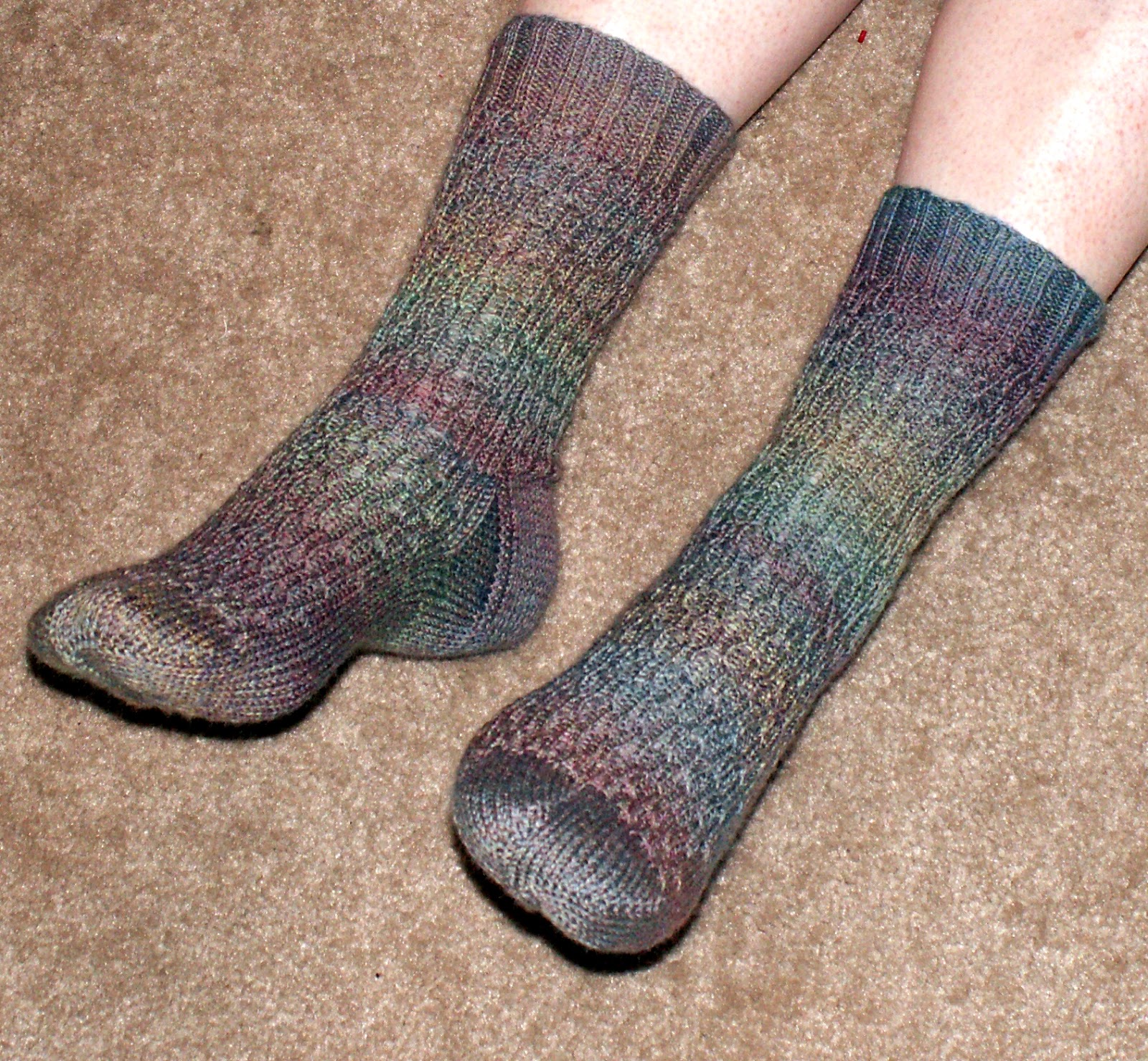
These socks were made in January for my mom's birthday. I love the rainbow colored yarn and the honeycomb pattern. My mother-in-law, a big fan of my knitted socks, wanted to model these before I sent them to my mom; she also wanted to keep them for herself, but only if my mom didn't want them. These are the November Socks knitted with Jojoland Melody Superwash.

 Another birthday crown was a special request from my daughter's friend who loved Ravenna's felt birthday crown so much she requested one of her own. Weeks before her birthday was to arrive she would remind me to make her the birthday crown. I did a fairytale themed crown and this one did not get thrown out.


Monday, March 18, 2013

She Wants to Be a Midwife when She Grows Up

Trying to find the baby's heartbeat with a fetoscope 

24 Weeks. Yes, I do need to buy maternity clothes. If only this darned winter would finally end!

Friday, February 8, 2013

To WIC or not to WIC?

At 17 Weeks or "The Beer Belly Phase"
I have been dreading this day for a week now. The weather reported ice and I had to drive down to Columbia for an appointment to see if we qualify for WIC. I was nervous that I would miss the appointment because of the weather and have to wait another month, or that I would try to drive there anyway and then crash and die (I tend to think of worst case scenario when I am pregnant), but I was also kind of scared that we wouldn't qualify and it would be a waste of time, but the weather simply rainy and we did end up qualifying. The worst part of it was trying to convince Ravenna to let her finger get pricked for the iron test. For the next year or so I will be on WIC along with Ravenna for a few months until she turns 5 in a few months.

When I first told my mother-in-law that I was applying for WIC she said, "That's terrible!" When I asked her what she meant she replied, "It means that my son can't provide for his family." Well, not quite. On a teachers salary WIC is definitely a blessing for us. Could we live without it? Probably, and I guess that is why a lot of people decide not to use the program. Since it is a supplement the program doesn't provide a ton of food, and it is definitely a big hassle at the grocery store, but the deciding factor for me was twofold: First, using WIC would take a little stress out of our tight food budget; Second, I really needed a lactation consultant after Ravenna was born and then as now our health insurance doesn't cover it whereas WIC provides lactation support in addition to breast pumps, should I need one for a short time as I did before.

Delighted that we qualified with checks in hand I went to the grocery store but while there many times questioned my choice. WIC is insanely complicated, at least for a beginner. I had heard that the grocery store that I shop at has labels on all the WIC items, and they do, but they are very small and often my checks didn't cover the items that were marked. Sizes have to be exact except with cereal? Peanut butter was the worst culprit. I couldn't understand why the "Natural" peanut butter, though the same price and brand as the other WIC allowed peanut butter was not allowed. Why not? Frustrating as well was having to separate all the items on the checks and since both Ravenna and I qualified. I ended up having five piles for the four checks plus my non-WIC items. I definitely held up the line!

What I love about WIC in Pennsylvania vs. WIC in Utah (in 2007-08) was that WIC in PA actually lets you buy fresh produce and whole grains other than cereal. When I was on WIC in Utah we got zero fresh produce except for carrots during breastfeeding and had cereal as our only choice for a whole grain. The bulk of WIC still is and always been milk, cheese, eggs and cereal but in PA you get those AND a whole grain item like tortillas, rice and bread and a dollar amount to spend on fresh or frozen produce which means I also have the freedom to buy organic produce. Also during the summer you get farmers market vouchers to buy fresh local produce (the very best!).

Right now I am feeling relieved that we now have this resource. It would be awesome not to have to use it but I am just glad that it is there.

Tuesday, January 22, 2013

THIS Pregnancy

I have been pretty quiet about my current pregnancy to this point, aside from announcing it the very day that I saw that double pink line that is. I think after multiple miscarriages there tends to be a fear of  "jinxing it." I had this very irrational idea that if I talked about my pregnancy before "x" number of weeks I would miscarry. Since joining a support group for pregnancy after loss I have learned that this feeling isn't unusual and now that I have reached that magical number, which for me was 16 weeks pregnant, I feel that I can talk about it. Actually reaching 16 weeks wasn't the milestone so much as reaching 16 weeks and hearing the heartbeat and having my midwife tell me the baby is a-okay. So, here is my pregnancy to this point:

I started my pregnancy with very high health expectations, drinking herbal pregnancy infusions, walking for exercise, and eating a rather balanced diet. Well, winter came and with it the morning sickness and I was lost in the land of Sick, Tired and Cranky. These symptoms were probably exacerbated by the fact that in my previous pregnancies I could consume dairy with abandon, which was my morning sickness cure of choice. With cow dairy a no-go and goat dairy a little too strong for my sensitive palate, I was left with occasional cravings for fast food, so long as I ate slowly, and cereal with almond milk. Sometimes I would find a food that worked for a few days but then I would throw it up and that made it inedible. It just became a matter of fact that the moment I walked into the kitchen I would start either dry-heaving or throw up in the sink. Amazingly in the six weeks that I had morning sickness I only lost 8 lbs.

Aside from dealing with morning sickness, one of the things that was very difficult for me was my dear, kind, well-meaning friends would always ask how I was feeling (every pregnant woman hears this a lot) and when I would say, quite honestly, "sick, miserable, etc." they would say "GREAT! That means the baby is going to stay." Here I would just like to make a public service announcement: Morning sickness doesn't guarantee that you won't miscarry. I was sick even with my missed miscarriage where the baby died at 10 weeks. I was sick even after the baby died and it wasn't until a few days before I miscarried, somewhere in week 12, that I was feeling better. It is hard to know what to say to any sick pregnant woman but sometimes "Can I bring you meal?" is the very best thing and is always music to my ears.

Sadly, Pinzey and Posie had to go. Their  previous owner graciously agreed to take them back, so while we were out our investment, I could relax in the knowledge that they were being groomed by someone who had the time, energy and expertise to do a good job. I felt so bad that I wasn't able to give those rabbits the grooming time that they needed and really, if you have angora rabbits, you should be grooming them at least once per week, preferably twice. Andrew and I have decided to make a pact that we will no longer indulge each other in micro-homesteading with animals (aside from the worms, of course) until we have a house with a nice sized back yard and no HOA.

On New Years Eve, at 13 weeks pregnant, we were able to hear the heartbeat for the first time and for Andrew, that was the biggest relief in the world. For me, it just did not feel real no matter how hard I tried, possibly because the worrisome cramping that I had been having the entire pregnancy had continued with no sign of stopping. At week 14 I magically started to feel better. It was like a miracle how much better I felt, and then the little flutters that I had started feeling in week 12 really started to feel like baby movement. During week 15 I felt the baby kick my hand from the outside and it was such a surprise and a delight.

Today my midwife came by for my 4 month check-up and once again we heard the heart beat. More impressive to me was that my uterus had grown so much in the three weeks since my midwife had last visited and the top of my fundus was only two fingers below my navel. I had thought to have been feeling kicks up that high but couldn't believe it since my uterus should still be about 4 fingers below my navel. It was very validating that what I am feeling really is my baby moving about. Also it means that what I have thought of as my "pudge" is actually a baby where I just thought I was bloated. Fun stuff!

There is my pregnancy thus far. I am hoping this winter hurries up and gets over with so I can get on with my spring gardening plans: Potatoes! In just a few weeks we will have our anatomy ultrasound and maybe get a peek and our baby's gender. Things to look forward to.

Tuesday, October 9, 2012

Introducing...

Our French Angora Rabbits!

 Posie, a five month-old chocolate tort doe

Pinzey, a four month-old black doe

After having lived with us for six weeks Posie is settling in to life as part of our family pretty well and is curious and friendly; Pinzey still thinks that I want to eat her. I am looking forward to harvesting Posie's fur in December and learning to spin it into deliciously soft yarn!

No, the rabbits do not live in my kitchen.

Wednesday, September 19, 2012

Finished Objects: Summer

As usual, this past summer I had lofty goals for completing projects that have been sitting around in my to-do basket for quite a while. Unfortunately a trip to Germany and a lingering illness souvenir kept me mostly out of the creative loop until the end of July. What took me the most amount of time was this sampler which I started in June 2011 intended as a Christmas gift for Ravenna (oppps!).

I worked on it a bit while in Germany and finally finished and framed it as fast as I could. I did not frame it correctly. There is a whole process for framing embroidery that includes stretching and mounting boards and pins so that it doesn't look rumpled. Maybe I will get to that one day but for now, I am just happy it is done, wrinkles and all.

 *****
 Ravenna needed slippers for her Waldorf classroom so I decided to knit and felt some for her. Knitting these was painfully easy as it was mostly stockinette in a large gauge yarn. Felting in a front loader however, took forever. Here is the link to the project and my notes on Ravelry.
 *****
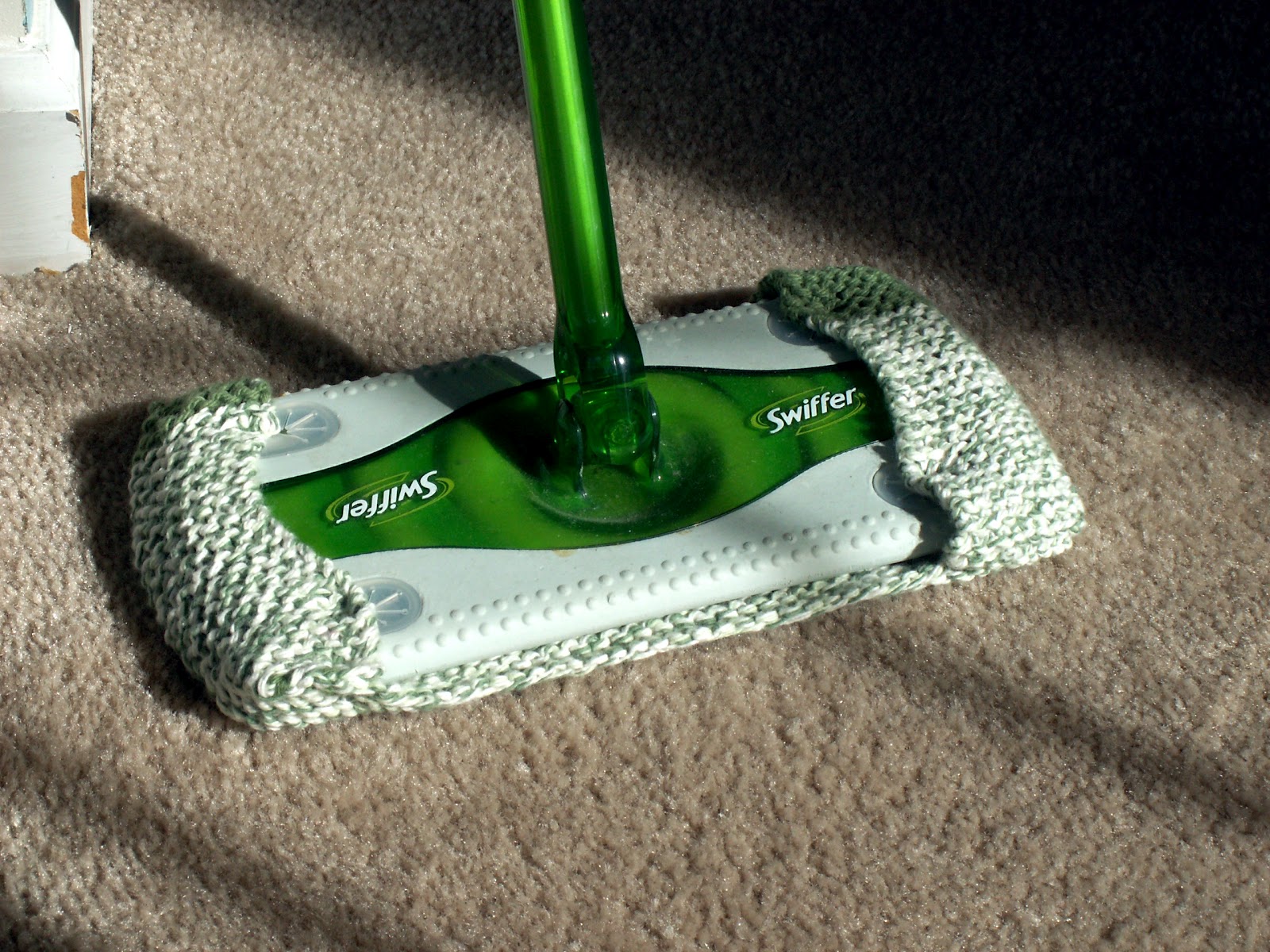
 Another easy project (ravelry link) to try to use up all that kitchen cotton left in my stash. Pretty self-explanatory. I will let you know how well it works.

 *****

Lastly, a work in progress. An Autumn cardigan (ravelry link) for me with yarn (KnitPicks Palette in Cornmeal) gifted from Andrew last Christmas. I am hoping to get this completed by October but with the small gauge, I think that will be a miracle. Either way, it is lovely to be knitting in this fall weather.

Sunday, July 22, 2012

When Your Immune System Attacks Your Fetus

With my most recent miscarriage at the end of May I decided to get blood tests to see if there was something going on causing the miscarriage. I was certain it was my thyroid causing the miscarriage(s) but my doctor did a number of tests just to be sure, including an Anti-nuclear Antibody (ANA) test to see if my immune system was producing antibodies against itself causing an auto-immune disease that wasn't allowing my body to carry a fetus. Surprisingly, all my blood tests came up fine, including my thyroid, except the ANA. Not only did I test positive for the antibodies but I also had a high titer of 1:640 (a titer of 1:40 is considered normal) so my doctor decided to send me to a Rheumetologist, a doctor who specializes in autoimmune disorders, for further testing. Since I was leaving for Germany I could not meet with a specialist until 5 weeks after the initial blood test and nearly 6 weeks after the miscarriage.

My visit to the Rheumetologist was disappointing as he wouldn't test me for the tests that I had asked him to test me for but he did do the routine tests given after a positive ANA for specific rheumatic auto-immune disorders, like Lupus, as well as another ANA. Just as I had predicted, I do not have Lupus (or syphilis for that matter) but once again I tested positive for ANA. Unlike the first test, this test I had a much lower titer of 1:80, which is considered a very low positive reading. This got me thinking, and Googling, to see if there could be a connection between positive ANA tests and miscarriage. Amazingly, all over the Internet I found infertility/miscarriage forums where women with repeated miscarriages were talking about their positive ANA tests taken directly after their miscarriages with no diagnosis of autoimmune disease. For the majority of these women their titers were only high directly after their miscarriage.

This was all very fascinating to me but it seemed that many doctors did not believe that there was a connection and that the positive ANA could mean that the body was attacking the fetus specifically, not just the body. Some doctors treated the condition successfully with daily doses of baby aspirin. Others added in supplemental progesterone and in some cases, twice daily injections of heparin, an anti-coagulant, during pregnancy the use of which is rather questionable. BUT these actions, in many cases resulted in full-term pregnancies in women who have had many repeated miscarriages.

So, where does this leave me? It leaves me in a quandary because it doesn't explain why the immune system is attacking the fetus and I want to know what is causing this and all my other symptoms of poor health. I could try taking baby aspirin and see what happens but I really don't want to take the chance of another miscarriage because I don't really understand what is going on. One thing I am willing to try is herbal cures. This website recommends specific herbs to help with immunological miscarriages such as Dong Quai and Maca. Other herbs, such as Vitex and Evening Primrose Oil have been shown to help with aiding in the production of progesterone, which is often lacking in women with repeated miscarriage.

Susun Weed, herbalist and author of The Wise Woman Herbal for the Childbearing Year, has recipes for preventing a threatened miscarriage with a number of herbal tinctures. Susun also recommends daily infusions of stinging nettle and red raspberry leaf for every woman, pregnant or not. Here is info that I liked on a natural fertility diet, though I am not a believer in excessive raw foods, protein powders or green smoothies (seriously, no people throughout time have EVER eaten pureed raw greens! EVER!). So there it is...food for thought. I am still left feeling like I have no idea what to do either way.


Tuesday, May 22, 2012

Busy...

I am sorry that I haven't posted in a long time. This is mainly an apology to the many Lisa's that read this blog. I do appreciate their comments. After writing the last blog post my grandmother passed away prompting a flurry of activity. Ravenna and I flew to California for two weeks to be there for her funeral and our foster-baby stayed with another foster family.
Ravenna at "The Old Spaghetti Factory" in California

During that trip a number of things occurred that pushed our family to decide that we could no longer work as foster parents within a system that cared so little about the health and safety of both our family and the foster child in our home. Needless to say, it was very difficult to say goodbye to the little one. On the last day of March I passed the baby who we had raised since birth and had been with us for 10 months to his new foster family. I hope they are stronger than we were. With that parting I think I lost a part of my heart.

This is the only photo I can post since it doesn't show his face.

April was spent in recovery and preparation. The first three weeks of the month I was in shock and I can't recall doing a whole lot (plus I had totally changed my diet so I was in a daze trying to figure out how to eat FOOD again)*. So much of our time had been spent with dealing with foster care drama and suddenly I had only one child and, amazingly, TIME. I got back on the German learning wagon (slowly), worked in our gardens to get them ready and planted, and was inundated with landscape approval requests for the committee I am on in our HOA (Home Owners Association). Andrew was deeply immersed in a translation project for a German textbook company so he was basically absent from the time we returned from California until he finished the project on April 20th.

Ravenna turned four and then May came: the strawberries appeared in an early abundance and the garden harvest started in earnest with lettuce, radishes, chard, green onions, bok choi and the lovely strawberries. One day early in the month I opened the freezer and realized that I had a whole lot of meat to eat before our 1/4 beef arrived in July. Therefore we began to invite people to eat with us in earnest, sometime having three couples per week. We have become fairly adventurous eaters, even making Pennsylvania Scrapple to use up the odd pork bits we had lying about. We have also eaten beef heart, tongue and ox-tail in the last few months. Hurray for offal!

Then I got the genealogy and feverishly started seeking out my ancestors and filling in my family tree. Yesterday I had a birthday and now we are readying ourselves for our BIG trip. And that has been our life for the past few months.

*I quit the GAPS diet on March 12th and I will get to that in a future post.

Sunday, February 19, 2012

Helpful Real Food Cooking Tips

In the past few months I have been reading more and more cookbooks and books about food in general. Some of these books have been duds (The Taste Thesaurus? Blah) but others have been gems. You might be wondering if I have become obsessed with food and you might be onto something. I do like food, A LOT, but cooking? Not so much. Being on the GAPS diet, also known as the "no processed anything diet" requires me to spend a lot of time cooking. You might think that having been on this diet for 16 months! now I would have acquired a love of cooking given the many hours each day I spend in the kitchen but you would be sadly wrong. If nothing else I probably dislike it more. In my quest to make cooking less painful I have stumbled upon a few very fabulous tips that help me spend less time in the kitchen and help me save money to boot.

The first tip comes from a cookbook that I haven't even read yet and probably won't unless the price goes down:


The author of Well Fed offers a thirty-page teaser preview on her website which was so awesome that I was almost willing to pay $30 for the cookbook; almost. What is magical about this cookbook besides its delicious recipes which include, amongst others, chocolate chili? Melissa Joulwan comes from a family of restauranteurs which means she knows how to cook food FAST. Once a week Joulwan does the majority of her food prep for the week, usually within a day of her shopping trip. In two hours she browns ground beef, cooks chicken breasts and sausages,  roasts sweet potatoes and spaghetti squash, steams broccoli and cabbage, chops up raw veggies for snacks, boils a dozen eggs and much more.

As I read this idea it astounded me. In years past I had subscribed to a menu mailer that advocated such weekly prep as this but it didn't really work for me because I didn't like all the recipes included in each weeks mailers. Joulwan, however, doesn't worry about such things as "recipes". She only makes 2-3 real recipes every week. The rest of the time she makes what she calls "hot plates." Basically, she takes what prepared items she has an assembles them into a meal. She decides what flavor she wants (Mexican, Indian, Asian etc.) and then what protein and throws it all together into a skillet and voila! Dinner. The example she gave for a Mexican dinner was to throw together in a skillet a pound of the precooked ground beef, steamed chopped peppers and cabbage and while that was warming up make some "South Western Cumin Lime Dressing" and she had dinner ready in less than ten minutes. This way you get lots of variety and you aren't stuck with the Chicken curry you had planned to make when what you really crave is Mexican.

I have done this a few times and it has worked famously. I wish I was better at doing it but as with every new skill learned, it takes time to change habits and fit something new into the routine. The chopping and steaming vegetables has been genius. I wash and cut up lettuce as soon as I get it so that I can make an easy salad, grate and steam cauliflower rice, and slice a head of cabbage for "noodles." It is so easy just to steam the already wet from washing sliced vegetables until just soft and put in a container in the fridge until I need it. I also like to make up the week's salad dressing so I have no excuse not to eat my greens.

As for working on those flavor combinations to mix together those hot plates? The Flavor Bible is essential! I cannot say enough about how great this book is. The way it is organized is so perfectly aligned with how my brains works. The only thing that I didn't like about this book is its omission of Sherry for cooking.


An Everlasting Meal: Cooking With Economy and Grace had such a lovely little gem of a not-quite-cookbook title that I bought it, not even waiting for it to come to the library. I don't exactly regret my purchase but I since I am not eating grains currently, her grain heavy and Italian influenced cooking tips really did not quite hit home with me. She also has a mysterious "thing" with beets which I cannot comprehend. It wasn't that this was a useless books, on the contrary, her tips for stretching your culinary budget are sound and tasty, but Adler definitely needed to endear herself to me with her unflinching praise of fat to keep me reading until the end. The most useful tip that I found in her book was to use EVERY part of the vegetable. The core and leaves of that head of cauliflower? Edible. Yup. Not every part of plant is edible (carrot tops?) but when you are paying for those throwaway bits it is nice to be able to put them to use. I now use the extra leaves and cores of cabbage and cauliflower to make blended French-style potage soups.

Another trick that Adler taught is to use the cooking liquid from cooking vegetables as a base for soups. Yes! Duh, I don't know why it took me this long to figure that one out. For a while now I have always saved the drippings from roasts to use for soups and they really amp up the flavor; using the veggie "drippings" is much same. 

My favorite kitchen tip I have actually been doing for years: boil the bones but what I didn't know is that you can boil the snot, erm nutrients, right out of them for a week before throwing them out. Perpetual Broth has become my new best friend and the very best way to stretch that expensive pastured chicken carcass. It is so nice in the winter to be able to have broth for soup available for meals throughout the week and even with a 1/4 tsp. sea salt, a cup of broth is both nourishing, soothing and delicious after a long day. I very highly recommend doing this.

Those are my tips for now. Any that you are willing to share with me?

Sunday, February 12, 2012

When It's Time to Change...

Have you ever read something on the internet and thought "Wow. It would have been really nice to have known that a year ago?" Well the last few weeks have been that, over and over again for me. I am still on the GAPS diet, plugging away but I have been making some BIG changes. After 12 months on the GAPS diet I figured that I would be feeling pretty great and that I would be well on my way to recovery. The problem was, however, that I felt terrible. I felt worse. How was this even possible with all the work that I had been doing. So I kept plugging along at it, never understanding why my symptoms never got better and others appeared in their place.

The candida infection never left. It would get worse and then get better but it never totally went away, no matter how low carb I went. I felt tired all the time; depression would creep in at every little disturbance especially foster parenting stress would put me into a tailspin; my appetite disappeared both for food and sex; I got terrible PMS symptoms of incredibly tender breasts, acne and spotting a week before my period; my cycles were irregular;  and I started to put on a lot of weight even though I wasn't eating any more calories. What was going on?

I have been following the Cheeseslave blog for a few years and while I don't always agree with her, I think that I was absolutely meant to read the posts she has been writing recently about what being low carb did to her and it was like reading my own story. I had NO idea that being low carb for too long could be dangerous. Everything I had read, like on Mark's Daily Apple, said that if you stayed between 100-150 carb grams per day, you were golden for life! I was afraid of adding too many carbs for fear of my candida beast and the possible effect on my insulin resistance. It was just easier to restrict my carbs since I had been doing it for so long so I usually stayed somewhere between 50-100 net carbs a day.

Now it is like EVERYBODY, even Paleo/Primal bloggers are coming out with these studies about how being low carb for too long with stress your adrenals. Matt Stone was writing about this long ago but his style can be so abrasive that I generally ignored him. Now, however, I am paying more attention and what he has been saying has been backed up so many times that I think I can say that he knows what he is talking about. 

So now what is my game plan 15 months into the GAPS diet and feeling no better than when I started? Well, number one, I started eating more carbohydrates and more often. To repair adrenals it is best to eat 3 meals and 3 snacks a day, but it is really hard for me to do that on GAPS without spending my life in the kitchen. To boost my carbohydrate intake, in the last two weeks I have added some GAPS legal legumes (split peas and lentils) and I have also been eating more fruit and honey. While the extra carbs do aggravate the candida, it wasn't going away anyway and it doesn't seem to be getting worse so I will press on. I am supplementing with Adrenal Stress End which is a blend of adrenal cortex and some herbs that was recommended by another GAPS blogger in a similar situation. I do not like that it containes Betaine however since it gives me heartburn. I am also supplementing with Magnesium oil, Magnesium Citrate, B-Complex, Vitamin C and Zinc Piccolinate, all of which are supposed to support the adrenals. In addition I started to brew my own Rooibos Kombucha which helps with detoxification and should help with the candida.

Matt Stone recommends overfeeding and a lot of R&R to repair stressed adrenals, but unfortunately for me as a mom and especially as a foster parent I just don't have that luxury. I have been going to bed earlier; a bedtime between 9-10 pm is recommended as well as naps throughout the day (again, that really wouldn't work for me). Stress reduction is a HUGE but the only way I would see that happening is if our foster baby went home, which would make me sad.

So that is what I am doing and where I am at. So far I am feeling better and I am no longer constipated which is what always happens whenever I get stressed. I have been waking up less groggy and without arthritic-like pain in my joints. Those are good signs so far and I am hoping for even greater improvements in the next few weeks.

Friday, January 6, 2012

BR: Simplicity Parenting

I have been reading a few parenting books lately. Being three has been very difficult for Ravenna and for us. Because I do not believe that the way I was parented is the best way to raise my own child I am constantly looking for advice, insight, ideas etc. to help with my parenting struggles especially when my immediate learned reaction tends towards violence and anger. Fighting those urges requires me to have a parenting toolbox filled with resources that I can reach for when I am at my whits end.


The full title of Family therapist Kim John Payne's book, Simplicity Parenting: Using the Extraordinary Power of Less to Raise Calmer, Happier, and More Secure Kids,  is enough to make one hope that this is the Holy Grail of parenting books and that we will never have to read another again. While not a cure-all solution for the difficulties inherent in child-rearing, I feel that Payne's book gives a lot of great ideas, a foundation, for creating a home and a lifestyle where children can thrive. Based on his experience with helping families to simplify as well as citing numerous studies, Payne makes a compelling argument for making, what will be for some, very difficult lifestyle changes.

Payne begins his book by making a case for simplicity:
Why simplify? The primary reason is that it will provide your child with greater ease and well-being. Islands of being, in the mad torrent of constant doing. With fewer distractions their attention expands, their focus can deepen, and they have more mental and physical space to explore their world in the manner their destiny demands.
That sounds pretty great doesn't it? He also adds that simplifying is not just for the benefit of the child but also for the parent. By simplifying parents have less "mental clutter" and because of that their understanding and appreciation for their children will increase. The first two chapters of the book describe the need for simplifying family life and also how to notice if your child is in need of simplicity, what he calls "A Soul Fever."
 
Trained in the Waldorf/Steiner tradition, it is clear that Payne finds a great deal of inspiration in how Waldorf classrooms a run, especially with the home environment and choice of toys. Very basically, get rid of stuff. Stuff clutters our heads and our hearts. I fully agree with this. Children don't need a ton of toys but they do need good quality toys chosen with care for their use and beauty. This is one of my favorite aspects of the Waldorf philosophy. Here are some of my notes from the chapter on "Environment" which I found the most beneficial for my needs.
  • "Too much stuff leads to too many choices," which is distracting and overwhelming for developing brains.
  • Too much stuff leads to a sense of entitlement echoed with the refrain for "More!"
  • "The number of toys your child sees, and has access to, should be dramatically reduced"
  • The less clutter children have in their lives the greater their capacity for free and "deep play"
  • Children's play needs to include: trial and error, touch, imaginary play, experience, purpose and industry, nature, social interaction (not just with age mates), movement, art and music (free access to child appropriate art materials and musical instruments),  
  • Simplicity with the choice of toys is also important. Think: simple, good quality, natural materials, open-ended.
  • Keep only the most loved and used toys easily at hand and in view. Put in baskets/bins on shelves, with only a few bins in use at a time makes cleanup easier and encourages more imaginative play.
  • Let play happen, don't make it happen. -This was one of the most useful ideas for me. It is exhausting trying to entertain my daughter all the time. Payne says that we don't need to. Just let them play and develop the way their brains and intended to. We cannot and should not try to force children into a developmental mold that is inappropriate for them, or any child.
  • Kids need nature and they need free play in nature as in Last Child in the Woods by Richard Louv. -This is one of my most vehement contentions but the one I meet the most resistance to in society today. Letting children have free play in nature is considered "dangerous" and can get a parent cited for child abuse. No joke.
  • Don't go crazy with books: No more than a dozen on a bookshelf at one time with 1-2 favorite available. Books should be developmentally appropriate (Waldorf and Classical Education Trivium both have suggestions for age-appropriate books), great quality stories (puts me in mind of Charlotte Mason's "Living Books" philosophy) and nothing to do with media characters (Dora the Explorer, Disney Princesses etc.).
  • Clothes should be simple, made of natural materials, and good quality avoiding media characters and stereotypical/popular phrases. I love the idea of making my home and family an "ad-free zone"
Children thrive on rhythm and predictability. Try as much within your powers to put that in stone. It also helps to let a child know in advance when something is going to change in the familiar rhythm. Also be aware and anticipate that a child might also struggle with the change and that will show up in their behaviors. Payne says one of the best markers to set the day around is mealtimes. During mealtimes everyone in the family should participate in both the making and the cleaning up of the meal, not just the eating of it. I love this idea! I also love the emphasis he puts on making simple meals with the quote "Food is meant to nourish, not entertain or excite."

In addition to having rhythms throughout the day, Payne says that we should also ensure that children have lots of free time to be "bored." This is a great idea to be explored with older kids and it is well reading this book just for the section on team sports. Lastly, it is important for kids that adults do not burden children with adult matters. In our quest to raise compassionate world citizens we are actually creating a bunch of worry-warts. It is okay to not tell children everything. It is better for them not to know many things. Our stress also stresses our children. Get rid of the TV or just keep it off most the time.   

Overall, I think this book had a ton of great ideas and is worthwhile reading once to see which ideas you feel you can include and incorporate in your life. It wasn't exactly what I needed, which was help with discipline, but it was a good start. The book even has a website with a bunch of great information.

I am going to include a mix of toy ideas that he suggests under the section Simplified Play for my own reference:
  • Trial and Error: Many hours of floor time for infant; babies really don't need "toys"
  • Touch: "Rattles, nesting cubes, cloth dolls for babies, silks and scarves, heavy woolen blankets and cloaks, the pliancy of beeswax and clay as they warm to touch, a basket of smooth pebbles that change color when wet, solid wooden blocks and shapes, gnarled roots and sticks, beanbags." Food preparation with their own kitchen tools: child size "work board or mat, apron, wooden spoons, vegetable brushes, rolling pins, pots and pans, whisks and spatulas, with cloths for polishing apples and tidying up. Garden tools also should be real: a wheelbarrow or garden cart, garden gloves, with a small, but real shovel, rake, and trowels." Real but child sized tools are the key here as well as working alongside the parent.
  • Pretending; imaginary play: "Dress-up clothes, hats, and accessories...simple choices, rather than elaborate or character-specific outfits..."
  • Experience: "Excellent toys for all of this 'primal' exploration are buckets, nets, shovels and kites, scoops, bubbles, baskets, and containers for pouring and collection."
  • Purpose and Industry: Let children work with us. Mending doll clothes alongside our own mending. Child sized versions of cleaning tools: "small broom and dustpan, a dust cloth" etc.
  • Nature: Give children opportunities to be in nature and help them know some of the plants and animals that they can find there. Cardboard box, blanket forts, sleeping outdoors in tents during the summer, a quiet place in the yard.
  • Social interaction: "Cloth dolls with simple features...Tea sets, wooden animals, trucks and blocks, the loose democracy of the sandbox, the swing set, foursquare and hopscotch, jacks, pick-up sticks, puppets and puzzles, game of hide-and-seek and catch, cards and board games, checkers and chess." How closely a child stays to you is a sign of where they are developmentally (84).
  • Art and music: "a big pad or roll of paper; sturdy crayons (thick for toddlers) and pencils; paints; some kind of modeling medium, such as beeswax, clay, or PlayDoh; fabric, glue; and some dedicated place for art. As children reach school age, they can begin some simple crafts. Whittling and knitting, for example, develop graphomotor skills just as children are beginning to write. Beadwork and sewing, woodwork and candle making, paper-mache and ceramics." "Wooden rattles and egg shakers, drums, bells of all sorts, penny whistles, harmonicas, and simple recorders, lap harps, thunder shakers, and rain sticks."


Monday, January 2, 2012

The End

Getting Ready to Make Pesto Before the First Frost

Happy New Year! December 31st was a sunny and warm day so to prepare for the new year I cleaned out my garden. I am still getting Swiss Chard and the carrots still look good but everything else is done. I think it is amazing that my garden was able to keep in production for so long. While we have had a relatively mild Fall/Winter the chard, peas, parsley, thyme, kohlrabi and green onions just kept going. It is hard to believe that I will start planting again in less than four months. Now is the time to start thinking about next years garden. I thought I would share with you a few insights from my gardening experience this year.

When you have a small amount of garden space as I do (120 sq. ft.), planting most Brassicas and winter squash doesn't make any sense because they are so large and take a long time to harvest. It is better to grow a mix of many of the same plants that have a very long productive period (strawberries and green beans), leafy greens with a long harvest (kale, collards, Swiss chard,), plants that grow quickly (radishes, green onions, zucchini), and plants that have high production (tomatoes, summer squash). It also doesn't make sense to plant things that you can buy cheaply. For example: I can buy onions at a local grocery store for .50/lb. If I tried to grow them in my garden I would be wasting valuable space which I would be better put to use growing a valuable crop like Shallots which I can't find for less than $3/lb. Cabbage, cauliflower, potatoes and broccoli are best bought from a local farmer when in season and stored up or frozen, usually in the Fall. Also, use your garden space to grow things that you cannot buy (French Breakfast radishes).

Since I took the time to weigh all of our produce here are our totals and I highlighted the clear winners and added my notes:
  • Everbearing Strawberries: 19 lb. 7oz. (Amazing production from May-October)
  • French Breakfast Radishes: 4 lb. 5 oz. (I need to grow more of these!)
  • Lettuce: 1 lb. 5 oz.
  • Bok choi: 9 oz. (This was delicious but start it indoors so it doesn't bolt before harvest)
  • Swiss Chard: 23 lbs. 8 oz. (figure out more use for this but definitely my favorite green)
  • Kohlrabi: 3 lb. 8oz. (Loved the flavor of these but they took a long time to grow)
  • Snow Peas: 2 lb. 8 oz. (PLANT MORE PEAS!)
  • Daikon Radish: 11 oz.
  • Kale: 5 lb. 4 oz (Bleh. I only have 1 recipe that I like Kale in)
  • Green Beans 3 lb. 13 oz.(PLANT MORE GREEN BEANS!)
  • Beets: 11 oz.
  • Carrots: 3 lb. 14 oz. (Not sure about growing any more since they are so cheap to buy organic)
  • Cucumber: 13 lb. 12 oz. (This is from only 1 plant! I also want more pickling cuc's)
  • Principe Borghese (drying) Tomato: 17 lb. 1 oz. (So delicious dried on salads and in meatloaf)
  • Mortgage Lifter (slicing) Tomato: 1 lb 14 oz. (This was such a disappointment.)
  • Sungold (cherry) Tomato:  1 lb 7oz. (Lame, this plant never took off)
  • San Marzano & Amish Paste (plum) Tomato: 57 lbs. 6 oz. (From 3 plants)
  • Brussels Sprouts: 4 lb. 10 oz. (take up too much space for such a small yield)
  • Sweet Peppers: 16 lb. 8 oz. (planted 8 plants and didn't get many that ripened before frost)
  • Celery: 2 lbs.(only need two plants, harvest before they get too tall)
  • Spaghetti Squash: 16 lbs. 12 oz.(take up a lot of space, maybe Delicatta squash next year?)
From our 120 square feet of garden this year we were able to harvest over 200 lbs. of produce!!!

Aside from just feeding our family daily I was able to can, dry, ferment and freeze greens, tomatoes (diced, paste, and sauce), strawberries (jam and 2 gallons frozen), herbs, cucumbers (pickles), radishes (pickled) and also cure and put by a number of whole spaghetti squash. It is nice to not have to buy so many groceries now that our freezer is filled.

Tuesday, December 20, 2011

Photos

I have been trying to get caught up on organizing the photos from the last few years. I finally completed Ravenna's baby book in November and wanted to tackle the photos from 2008-present as my next project. I got 2009 completed and got a great deal on a photo book from Shutterfly. I have to say that going digital saved me a great deal of time. With 2010, though, I am stuck. I cannot fathom why looking at the pictures from the summer of 2010, the summer I was last pregnant, leaves me with so much pain. I find myself looking at myself in those pictures and wondering "Do I look pregnant? What about me was different?" Then I see how much my daughter has grown since that time and I think "I am wasting her childhood...what am I doing?"

With our foster baby leaving in a few weeks I find myself feeling quite hopeless. We had hoped to adopt him; we hoped that he was the answer. My daughter is going through a developmental rough patch and I am plagued by thoughts of "What if...?" It is hard not to blame myself for our misfortunes regarding our family size. I often think that it is my fault my daughter is having such a rough time. If only I had been able to give her a sibling sooner, or if we hadn't chosen this very stressful route of foster care in order to grow our family. "What if I had just kept trying to get/stay pregnant?"

I am in desperate need of some peace; the questions are driving me insane.

Wednesday, December 14, 2011

Knitting A Sock

Making the Heel Flap While Knitting in the Sunlight

Three weeks before Christmas the conversation went something like this:
Me: I am going to knit [unspecified person] socks for their birthday.
Father-in-law: Great. Sounds like a great gift.
Me: Would you be interested in some knitted socks, too?
FIL: I don't know. I have never had knitted socks before.
One Week Later:
Me: I finally got my sock yarn and needles in the mail so I am going to start on making the socks for [unspecified person] right away.
FIL: Am I getting socks for Christmas?
Me: Ummmm...I wasn't planning on it.
FIL: But you said you were making me socks for Christmas.
Me: Wait! What?! I was planning on making you socks for your birthday!
FIL: Why would I want wool socks in June
The second conversation occurred five days ago and until yesterday I had been feverishly knitting a men's size large sock in the hopes of completing them in time. I love my father-in-law and he is notoriously hard to gift to so for once he wants something that I can make and I was determined to do it. Now, you must understand that this was my first sock knitting experience with tiny gauge yarn and needles (it is like knitting with toothpicks) and my father-in-law has big feet. I was making great progress until I dropped a stitch right after turning the heel. I tried to correct it but to no avail. The project began to unravel, very literally, right before my eyes and I had to "frog" it i.e. pull out all the knitting that I had spend 10 tedious hours on.

At that moment I had an epiphany: I was close to tears of frustration for all the time I had already spent only having to start all over despite it all. Four days of a semi-neglected home and family all in the name of a knitted sock. Had I not made the mistake I would have been able to complete the pair before Christmas and been able to happily gift them, but it was seriously stressing me out and taking the joy out of the knitting. I love to knit and I love the challenge of a new project but it was like the "sock that stole Christmas" since my presence was missing from my family.

This year I have had such a strong desire to simplify. Perhaps it is having a foster child and the busyness that brings, or maybe it is a consequence of reading Simplicity Parenting, but I did nearly all my Christmas shopping in November, said "No" to party invitations, and did the very minimum of holiday decorating choosing instead to try to concentrate on spending time with my family. The sock project kind of killed the simplicity bubble.

Right now Ravenna is singing a song that she created whose lyrics primarily consist of "Can I watch the little Merlaid?" She certainly is creative in her requests but I am going to have to say "no", not just because she has watched "The Little Mermaid" a least a dozen times since she got it but because it is time that I got off the computer and spent some time with her. That is what family is all about, right?

Sunday, December 4, 2011

If You REALLY Loved Me...

Look At This! It is gorgeous!

You would buy me some of this tea! I recently discovered Teavana, A Heaven of Tea at our local mall and boy am I in trouble! This tea is so delicious but pricey. Andrew and I like drinking either herbal tisanes or Rooibos daily during the winter so unfortunately we can't afford to drink Teavana teas all that much. But, oh, seriously...nothing compares to a freshly brewed cup of fresh loose leaf tea. There is seriously no comparison to the tea bags you buy in the store. Right now I am in love with the dessert teas like the Cocoa Praline Tart you see above but I am also enjoying the herbal Citrus Lavender Sage.
I use the IKEA RIKLIG teapot to brew my teas. I have found that in order to get it to brew correctly you need to have at least 24 oz. or 3 cups of water in there. According to Teavana, a 2 oz. bag of tea is between 20-30 tsp. Each serving of tea for the Cocoa Praline Tart is 1 1/2 tsp so you would get between 13-20 servings of tea in each 2 oz. bag.  It truly is delicious, though, and totally worth the premium price. So, who loves me?

Friday, December 2, 2011

Things To Do Before I am 30

This is how I look to a 3-year old.
My senior year of high school I took a class entitled "Agriculture Business." At the time I wanted to go to Cal Poly San Luis Obispo and get a Agribusiness Degree and go work for some big time monster Ag corporation like Monsanto, gags. In any case the class covered my Economics graduation requirement. I can't remember most of my assignments there except for a competition I went to (and WON!) about agricultural cooperatives but one silly assignment stuck in my brain: we were required to make a poster illustrating what we wanted to accomplish by the time we were 30. I wish I had kept that but alas, I am not a pack-rat. I can remember most of what was on it, though, and with the big 3-0 only year-and-a-half away lets review:
  • Graduate High School, check
  • Graduate College with a Bachelors Degree, check
  • Get a high paying power job
  • Find a Hottie and get him to marry me, double check!
  • Own my own home, yup
  • Travel to Foreign lands
  • Speak a Foreign language
I can't remember having anything on there about having kids but I was pretty sure that I never wanted to have them when I was 17 and the second eldest of 5 children. So looking at that list one might say that it is pretty shallow. Yup. Many of the things also didn't hold up to reality: I only held one job out of college and it was neither high paying or powerful (I will forever call it my "soul sucking" job), I haven't traveled and I stopped learning French after 4 years because I married a German speaker. But hey, I still have a year and a half so let's see what I can accomplish!

In June Andrew and I will be chaperoning a bunch of teenage German language students to, you guessed it, Germany. Aha! Travel!!! Ding ding ding! But I also need to speak German in order to go on the trip. I have around 7 months to get to about a German 3 level. I started learning at the end of October and finished German 1 with a 94% on my final the third week of November. I sped through that puppy but it was exhausting and now I am struggling with serious Deutsch burnout. I am allowing myself two months, until the end of January, to do German 2 and the deadline for German 3 is June 1. If I can get that all done I will have completed nearly all of my shallow high school goals! Woot!

It got me wondering though, how many of us remember what our dreams were when we were 17? I find mine pretty practical considering my age but also most definitely influenced by the TV shows and movies of my teen years. The things that I listed showed what my 17-year old self  believed the pathway to success to be: Education-->Awesome Job --> Money --> Travel, House, and a man to love me. While education is still important to me, having a high paying power job certainly is not. With time and experience I certainly still value certain things on that list but for different reasons. Like traveling for its own sake, rather than to say that I had traveled; Speaking a foreign language to broaden my horizons and work my brain rather than just to put it on a resume. And how about having kids? Being a good wife and mother have taken top priority on my life's list of "To Do's." I think my 17 year-old self would have scoffed at the notion of domestic happiness being my chief desire, and yet, ten years later, it is.

Life is wonderful. Life is harder than I ever thought it would be. Life is better than I ever imagined.

Tuesday, November 8, 2011

Retracing One Year

It is now just over one year since I went on my grain-free, soy-free, sugar-free, starch-free, preservative-free, processed-free etc. diet in a quest for healing. To recap my year, I started with a very strict diet/supplement regimen and did that for about seven months before switching to the GAPS diet and have been much happier since. When I found Bee's Candida Control diet it sounded like the perfect solution for me, and it may have been at the time, but then she started to change things, becoming more inflexible and wandering into the uncharted territory of what I have since learned is Scientology. The over-reliance on supplements (I was spending $170/month on supplements) and the seemingly random diet altering decisions made by Bee propelled me in the direction of the GAPS diet. GAPS is actually based on science and is a healing program involving certain steps vs. Bee's diet which consists of very strict food restriction based on someones (She never explained how she came to this) ratio of fats/protein/carbs. I did heal on Bee's diet but I also think I went through unnecessary suffering and deprivation as my body struggled with the toxin overload. While the GAPS diet does have supplements (mainly strong probiotics) it isn't necessary to take them if you can't afford it. Food probiotics such as fermented veggies, yogurt, kefir etc. can also give you the same benefits. At this time the only supplements I am taking are Magnesium Citrate, Zing Piccolinate and fermented cod liver oil and my cost is down to less than $35/month.

The GAPS diet has been less challenging in many ways but I have still had my setbacks. In March when I switched to GAPS I decided to add dairy and added it much too quickly which gave me an itchy eczema/detox rash around my eyes and it wasn't until I did the GAPS Introduction diet, removing all dairy, in early September that the bumps went away and I saw very serious improvements in my digestion. The GAPS diet is supposed to take around two years of healing but the second year is supposed to be the best as far as seeing results goes. I am hoping that by June I will have been able to have slowly added dairy again to the point that I can eat cheese. At this point I am only eating ghee with small amounts of butter every so often. Coconut yogurt (homemade) has become a food staple and as soon as I can get a culture I am going to add coconut kefir.

So, how about my symptoms? This last summer was very stressful for me with being a foster parent and I think I suffered some setbacks because of that. In June I think I even had a hysterical pregnancy but that was probably not related to the diet at all so much as the frustrations of having a newborn in my home being raised by a 14 year-old. One thing that has bugged me was that my cycles have been a bit off since June varying between 28 and my usual 33 days with the flow being much heavier. I have also been having really intense PMS symptoms, the most irritating of which is extremely tender breasts for a week or more each cycle. Ugh. BUT the yeastie-beastie's have mostly gone. I get a flare every so often but it goes away in a few days. It seems that my body is switching to detoxing through the skin which I have read is a good sign because the skin is the body's largest detox organ. Once I stop detoxing through my skin so much it should be a sign that my endocrine/lymphatic systems are up to par. 

One of the anecdotal natural healing signs is called "Retracing." This means that your body will "retrace" injuries/illnesses that you have had in an effort to heal itself. For example: If you had a major episode of illness years ago you will have the ilness again sometime during your healing, albeit less severely. I am not sure how much credence I can give to this theory but I was wondering about it this morning. Last week I was horribly sick for over a week with Bronchitis/Sinusitis, which is much longer than I am normally sick, and it really kicked my butt. I had a thought this morning that I could be retracing an episode seven years ago when I had my very first combined Bronchitis/Sinusitis which held me captive for two months and left me with damaged lungs and sinus' prone to infection. Now every time I get a cold I often get both and end up quite miserable. It would be nice if that was a healing episode because if it was it most likely won't happen again (so the theory goes) unless I let my health go. By the way, I treated the infection with raw apple cider vinegar; 2 tbsp. in 6 oz. of water as often as I could stand it. It worked quite well.

So that has been my year. It hasn't been very exciting or fun but I am glad that I am doing something to try to get my health where it needs to be so that I can conceive and carry another pregnancy. It is nice that I feel much better most of the time and as an added bonus, the food is seriously so good.